If you quickly peeked at the label on your new top or the inside of your trainers, you’d find that they were manufactured in some far-flung, exotic third-world country.
This may not come as a revelation. After all, we have all been aware for years now that even the effigies of Big Ben and Tower Bridge sold at tourist attractions are mostly mass-produced in China, Hong Kong or Korea.
But it’s only been recently that we have actually started asking some pertinent questions about the provenance of our cheap t-shirts, discounted jeans and low-cost trainers. Of bargain-bucket coffee prices, cut-price chocolate treats and bananas going for a song.
I know, this Easter, I thought my Fair Trade egg was a great idea. It wasn’t until I read the tiny label explaining that its profits helped to encourage economic growth in the Kashmiri village where it was hand painted that I realised just how much difference a simple choice can make.
Lest you think I’m getting on my soapbox, be assured that this isn’t a rant from a tree-hugging, water-swigging, new compassionate, green cred hippie. I’m simply trying to highlight what a great concept Fair Trade is.
Allowing the profit from our imported goods to go back to the people that made them is taken for granted in the West but for workers from a less stable economic background, it means feeding their family and building a home.
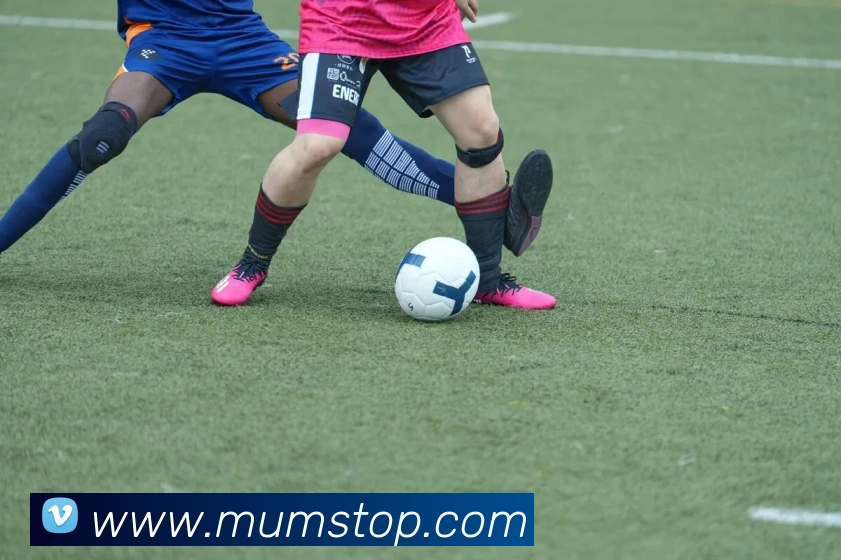
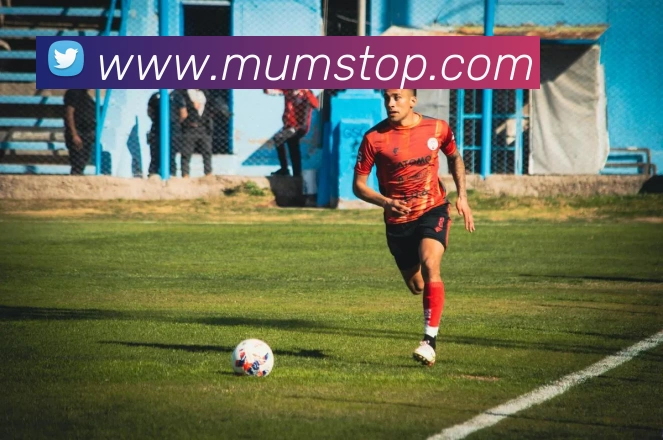
Like many items, football production has a reputation for exploitation of child workers and appalling working conditions. Through campaigns by Save the Children in the 90s, manufacturers were pushed towards a ‘no child labour’ guarantee.
In countries like Pakistan, where football production is a common form of income, children contribute as much as 25% of the family income through horrendously long hours in stuffy factories sewing.
A former child labourer, Sameena Nyaz, is now 18 and lives in Chak Gillan village in Pakistan, approximately 200m away from the first Fair Trade football supplier.
She works in a new, purpose built factory which allows her to continue stitching and earning money for her family in a safe environment, whilst providing and caring for her father and 11 siblings as well.
Through the factory, Sameena’s family now have a small hut and a kitchen garden where the whole family can help cook together.
The Fair Trade Organisation has been vital in saving Sameena’s life by providing financial support enabling her to have a vital thyroid operation. This was paid for by the premium from the sale of the fair trade footballs.
Not only are these footballs helping to provide safe and reasonable working conditions but they are changing lives every day by allowing families to become self sufficient and improve their quality of life which, up until now, was impossible.
Fair Trade’s label means that the product has been made, imported and sold in an ethical way, which is nothing more than we would expect for ourselves.
And it’s personal stories, like Sameena’s, that really reinforce the fantastic job Fair Trade does and the huge impact fairly traded products have on the lives of disadvantaged workers.
So next time you pop down the high street stores for a £1.50 top, or a £12 up-to-the-minute trendy dress, think about where they’ve come from and whether it’s fashion at a price.
|